
Andrea Bruce photographed the fallout of the war in Iraq and Afghanistan for about 15 years. Eventually, she found her way back to her hometown in a rural coastal county in North Carolina.
There, she found a different kind of desert. Her old stomping grounds had no local news outlet to speak of. So, Bruce did what she'd been doing for 20-plus years. She picked up her camera and went to work.
Bruce has lived quite an adventure in journalism. Her work has focused on people living in the aftermath of war and all the social issues that come with it. The National Geographic and The New York Times are among the publishers of her work. She was a staff photographer for The Washington Post for eight years, authoring a weekly column. And she won Photographer of the Year for the White House News Photographers Association four times.
“Then I wanted to have a family and take care of my mom, so I returned to my home county,” Bruce said.
Pamlico County, “where the land and the sea meet the sky,” is named after the Pamlico tribe. Its county seat has a 40% poverty rate. It’s the place to which Bruce has returned.

Bruce said there were two local weeklies in the area, but one was an alt-right publication that published conspiracy theories and racist tropes, while the other was “not really journalism. It publishes some press releases and does advertising.”
The idea of doing local journalism occurred to her in 2020, before the pandemic shut down the country.
“I’d just finished doing this big story on democracy in the United States for National Geographic,” Bruce said. “I traveled around all these other counties, and then I came back here and thought, ‘Wait, my own county is a news desert. My own county is having all these problems. What am I doing?’ I was doing all these other things, but I needed to focus on this place.

“So, I started doing this as just a newsletter. Each newsletter is one story. It’s not very high maintenance, OK? And it's just me, you know? I was taking pictures and doing a story, but I found that people really loved it.”
They certainly did. In a county with about 12,000 people, Bruce’s newsletter has nearly 5,000 subscribers.
“We are not the fancy coast,” Bruce said. “We’re like the messy coast. We have mongers, farmers and fishermen, and it’s just an interesting, beautiful place with so much history, and it’s not reported anywhere.”

She leaned into coverage of underrepresented communities. According to U.S. Census numbers, roughly 22% of the county's population is not white, including a black population of 17%.
The newsletter evolved into a wwebsite, downinthecounty.com. Bruce’s role has evolved, too. Through grants, she hired young journalists to keep things going while she focused on a teaching career. Bruce still helps with publishing events, but she will soon be stepping into a new teaching role at the University of Georgia. The newsletter and website will go on with support of grants.
She said more funding should go toward journalism shops like this one because journalists are needed in small communities.
“I love journalism. It’s my passion, right?” Bruce said. “This is what I love. But I feel we’re stuck in this old-fashioned way of thinking about journalism. Why are these small publications suffering; why do we have to have 20 stories every day? Why can’t we have one or two, make them really good and keep the photographer? … We can still do beautiful journalism and photojournalism in places like this.”
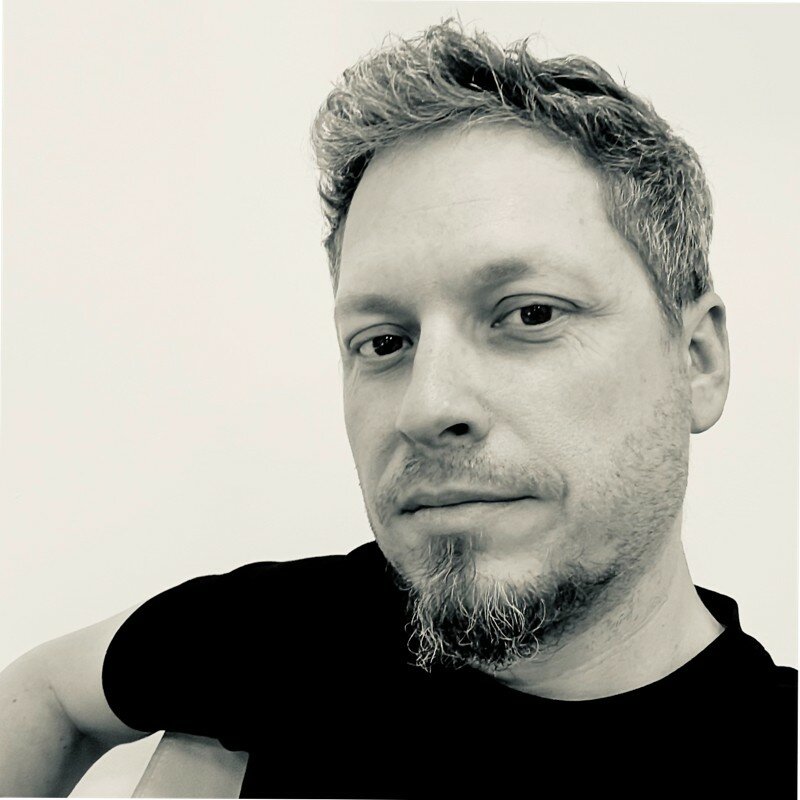 Bob Miller has spent more than 25 years in local newsrooms, including 12 years as an executive editor with Rust Communications. Bob also produces an independent true crime investigative podcast called The Lawless Files.






Comments
No comments on this item Please log in to comment by clicking here